


7 Running and Walking Stretches for Feet

Running and walking stretches for your feet can improve flexibility, support ankle mobility, and reduce tension after activity. A simple routine should gently move the toes, arches, ankles, calves, and Achilles tendons without causing pain. Stretch after a warm-up or walk, hold each position steadily, and stop if symptoms worsen.

Why should you stretch your feet before or after walking?

Your feet absorb force with every step. Running, hiking, long walks, and standing can gradually tighten the muscles and connective tissues that support your arches, toes, ankles, and calves. Gentle stretching helps maintain comfortable movement and may reduce the feeling of stiffness after exercise.

Stretching does not replace strength training, supportive footwear, or medical care. However, it can be a useful part of a broader foot-health routine—especially when combined with gradual activity increases and adequate recovery.

A good time to stretch is:

  • After five to 10 minutes of easy movement, when your tissues are warm
  • After a run or walk, as part of your cooldown
  • On rest days when your feet feel mildly tight
  • Before activity if you use gentle, dynamic movements rather than long static holds

Never force a stretch or bounce into a position. You should feel mild tension, not sharp pain, numbness, burning, or cramping.

Runner performing a gentle foot and calf stretch in a park

7 running and walking stretches for your feet

These exercises target commonly tight areas from the toes through the lower leg. Move slowly and breathe normally. Unless otherwise noted, hold each stretch for 20 to 30 seconds and repeat two or three times per side.

1. Toe extension stretch

Sit comfortably and place one foot across the opposite thigh. With one hand, gently pull the toes back toward the shin. Use your other hand to support the heel or lightly massage the sole.

You should feel a stretch along the bottom of the foot and through the toes. This movement is especially helpful after activities that repeatedly load the forefoot, such as running uphill or walking quickly.

If pulling all the toes feels too intense, work with one or two toes at a time. Keep the ankle relaxed rather than twisting it outward.

2. Plantar fascia and arch massage stretch

Sit or stand with a tennis ball, massage ball, or chilled water bottle under your foot. Slowly roll from the heel toward the ball of the foot, using light to moderate pressure.

Spend about 60 seconds on each foot. Avoid pressing directly on a painful spot with excessive force. The goal is to encourage comfortable movement, not to bruise or irritate the tissue.

If you regularly experience heel pain in the morning or after rest, review our information about plantar fasciitis and consider an evaluation.

3. Wall calf stretch with a straight knee

Face a wall and place both hands against it. Step one foot back, keeping the heel down and the back knee straight. Bend the front knee while gently shifting your hips toward the wall.

This position stretches the gastrocnemius, one of the major calf muscles. Keep the back foot pointed forward rather than allowing the toes to turn outward. Switch sides after holding the stretch.

A tight calf can limit ankle motion and change how your foot contacts the ground during walking or running.

4. Wall calf stretch with a bent knee

Start in the same wall position, but bend the back knee slightly while keeping the heel on the floor. Shift your weight forward until you feel tension lower in the calf and near the Achilles tendon.

The bent-knee variation reaches the soleus, a deeper calf muscle that works hard during walking, running, and climbing stairs. Keep the movement controlled and avoid sinking aggressively into the stretch.

If you have current Achilles pain, swelling, or a recent injury, ask a podiatrist which movements are appropriate before beginning a stretching program. Learn more about common concerns on our Achilles tendon page.

5. Kneeling toe stretch

Kneel on a padded surface with your toes tucked underneath you. Slowly sit your hips back toward your heels until you feel a stretch through the toes and the bottom of the feet.

Hold for 15 to 20 seconds at first. If the position is uncomfortable, place a folded towel beneath your knees or perform the exercise one foot at a time while seated.

This stretch is not appropriate for everyone. Skip it if you have toe deformities, significant forefoot pain, recent surgery, or difficulty getting up and down from the floor.

6. Ankle circles

Sit with one leg lifted slightly off the floor. Slowly circle the ankle 10 times in one direction and 10 times in the other direction. Then switch feet.

Ankle circles are dynamic rather than sustained stretches, making them useful before a walk or run. Keep the movement smooth and use a comfortable range. You can also trace the alphabet with your toes, but smaller movements are better if your ankle is stiff.

Do not push through catching, locking, or sharp pain.

7. Standing soleus and ankle mobility stretch

Stand facing a wall with one foot slightly behind the other. Keep both heels down and bend both knees while moving your front knee gently toward the wall. Keep the front foot flat and aligned with the second toe.

This combines ankle mobility with a gentle lower-leg stretch. Perform eight to 10 controlled repetitions rather than holding the final position if you are preparing for activity.

Stop if the heel lifts, the arch collapses uncomfortably, or the ankle pinches.

How often should you do foot and ankle stretches?

For general mobility, try a short routine four to seven days per week. A practical schedule is five minutes before activity for dynamic movements and five to 10 minutes afterward for relaxed static stretches.

Consistency matters more than intensity. You do not need to stretch until the foot feels extremely loose. Instead, aim for gradual improvement in comfort and range of motion over several weeks.

A simple routine might include:

  1. Ankle circles before walking
  2. Toe extension and arch work after activity
  3. Straight-knee and bent-knee calf stretches
  4. Light strengthening on separate days

People with diabetes, reduced sensation, circulation problems, inflammatory conditions, or a history of foot surgery should ask their healthcare professional for individualized guidance.

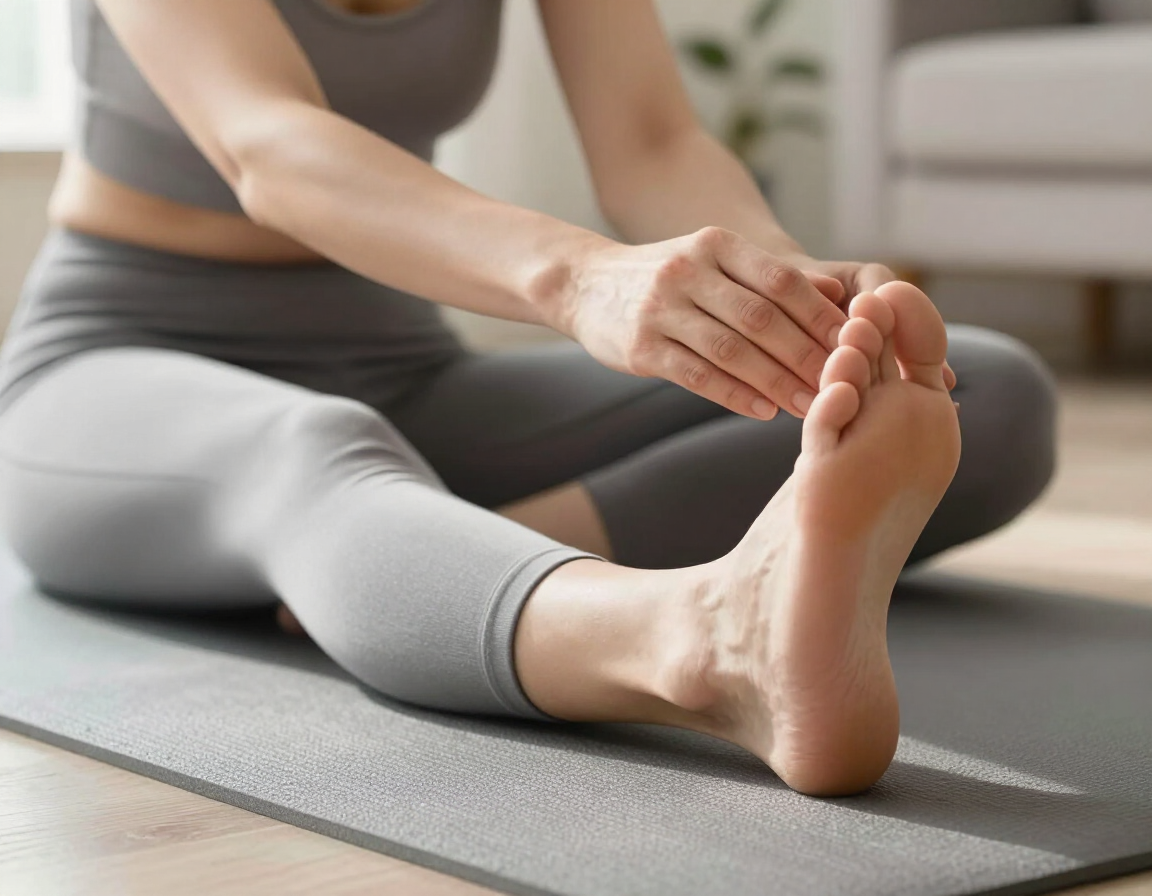
Close-up of a person stretching toes and ankle on a yoga mat

What should you avoid when stretching your feet?

Stretching should feel controlled and manageable. Avoid these common mistakes:

  • Bouncing repeatedly into a stretch
  • Holding your breath or tensing your shoulders
  • Turning the foot outward to create a deeper sensation
  • Stretching through sharp pain, numbness, or tingling
  • Starting an intense routine immediately after an injury

Foot discomfort can have many causes, including tendon irritation, nerve compression, stress injury, arthritis, or problems with footwear. More stretching is not always the answer. Pain that persists, worsens, or changes how you walk deserves professional attention.

Can stretching prevent running or walking injuries?

Stretching may support flexibility and comfortable movement, but it cannot prevent every injury. Injury risk is also influenced by training volume, recovery, footwear, running surface, muscle strength, body mechanics, and previous problems.

Increase distance and intensity gradually. Replace worn-out shoes, vary demanding workouts with easier sessions, and include strengthening for the feet, calves, hips, and legs. If pain begins during activity, reduce the load rather than trying to stretch aggressively through it.

Our sports injuries resource offers additional information about common activity-related foot and ankle concerns.

When should you see a podiatrist?

Make an appointment if foot or ankle pain lasts more than several days, repeatedly returns, or limits normal walking. You should also seek prompt care for severe swelling, bruising, inability to bear weight, a visible deformity, an open wound, or sudden calf and ankle symptoms.

A podiatrist can evaluate your walking pattern, joint motion, footwear, tendons, bones, and soft tissues. Treatment may include activity modification, targeted exercises, shoe recommendations, or custom orthotics when appropriate.

People with diabetes or circulation concerns should not wait for a minor foot problem to become serious. Our wound care services can help address wounds that need specialized attention.

Podiatrist discussing foot mobility with a patient in a bright clinic

A simple stretching plan

Use this five-minute sequence after an easy warm-up or at the end of a walk:

  • 10 ankle circles in each direction per side
  • 20 seconds of toe extension per foot
  • 30 seconds of straight-knee calf stretching per side
  • 30 seconds of bent-knee calf stretching per side
  • 60 seconds of gentle arch rolling per foot

Keep the routine comfortable and repeat it consistently. Pair it with supportive footwear, gradual training, and rest between demanding activities.

Key takeaways

Running and walking stretches for your feet can improve everyday mobility and ease mild tightness when performed gently and consistently. Focus on the toes, arches, ankles, calves, and Achilles area, and warm up before longer holds. Stretching should never cause sharp pain or replace evaluation for persistent symptoms. Start with the five-minute plan above, observe how your feet respond, and adjust your activity as needed. If discomfort continues, schedule an assessment with Performance Foot & Ankle Specialists so you can choose the safest next step.

A person walking on a sunny beach representing summer foot care tips.
June 18, 2026
Keep your feet healthy and pain-free this summer! Discover expert summer foot care tips to prevent fungal infections, sunburn, and sports injuries from the pros.

By VIV Builder • April 9, 2026
Stay active and pain-free this Foot Health Awareness Month. Learn about heel pain, orthotics, diabetic foot care, and sports injury treatment options.

By VIV Builder • April 1, 2026
Achilles tendonitis can develop gradually, causing heel pain and stiffness that worsens over time. Learn the warning signs and how a podiatrist can help you get back on your feet.

By VIV Builder • March 5, 2026
Ingrown toenails are a common foot condition that can start as a minor irritation and quickly become painful. Learn more about how we can help with ingrown toenails.
By VIV Builder • February 19, 2026
Ankle sprains are one of the most common foot and ankle injuries, yet they're often brushed off as no big deal. The truth is, even a mild sprain deserves proper care.
By VIV Builder • February 5, 2026
Show Your Feet Some Love This February

By VIV Builder • January 23, 2026
Understanding Podiatry Many people experience foot or ankle pain at some point, but they are not always sure where to turn for care. A podiatrist is a medical doctor who specializes in diagnosing and treating conditions of the foot and ankle. Their goal is to help patients move comfortably, stay active, and avoid pain that interferes with daily life. Podiatrists receive specialized medical training focused entirely on the feet and ankles. Because these areas support the entire body, even minor issues can have a big impact if left untreated. What Conditions Do Podiatrists Treat? Podiatrists treat a wide range of foot and ankle conditions for patients of all ages. From common concerns like heel pain and ingrown toenails to more complex issues such as sports injuries and diabetic foot conditions, podiatrists are trained to handle both routine and advanced care. They also address structural problems, skin and nail conditions, and injuries that affect mobility. By identifying the root cause of foot or ankle pain, podiatrists help patients find long-term relief rather than temporary fixes. When Should You See a Podiatrist? Foot pain is not something you have to live with. If you notice ongoing discomfort, changes in how you walk, or issues with your toenails or skin, it may be time to see a podiatrist. Early care can help prevent small problems from becoming more serious and can reduce recovery time. Patients with diabetes should also see a podiatrist regularly to help prevent complications and maintain foot health. What to Expect During Your Visit During a podiatry appointment, your provider will take time to understand your symptoms and lifestyle. They will examine your feet and ankles and may recommend imaging or other tests if needed. Based on their findings, they will create a personalized treatment plan tailored to your needs. Many podiatry treatments can be done in the office, allowing patients to return to normal activities quickly. Why Foot Health Matters Your feet play a major role in your overall health. Ongoing foot or ankle pain can lead to posture changes and strain on the knees, hips, and lower back. Proper foot care helps keep your entire body moving the way it should. Seeing a podiatrist is an important step in maintaining mobility and preventing future problems. Take the Next Step Toward Better Foot Health If foot or ankle pain is affecting your daily life, a podiatrist can help. With the right care and treatment, many conditions can be managed or resolved. Scheduling an appointment with a podiatrist is a simple step that can make a lasting difference in your comfort and mobility.
By VIV Builder • January 9, 2026
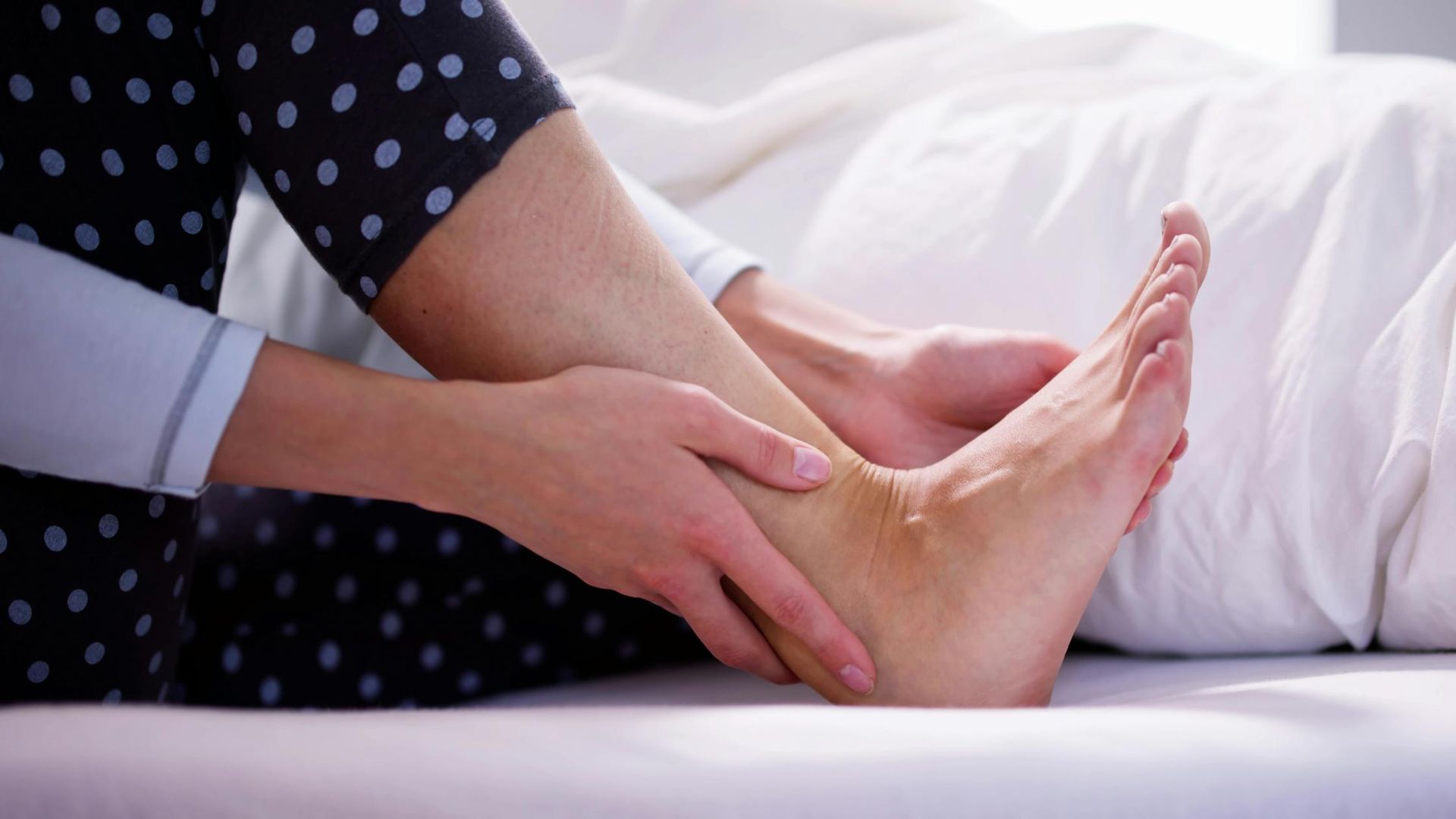
A New Year Shouldn’t Start With Pain The beginning of a new year often comes with fresh goals—being more active, feeling healthier, and getting back to routines you enjoy. But heel pain can quickly get in the way. When every step hurts, even small tasks can feel frustrating. Heel pain is one of the most common foot issues treated by podiatrists. Many people try to ignore it or hope it will go away on its own, but without proper care, heel pain often lingers or gets worse over time. Why Heel Pain Happens Heel pain can develop for several reasons, and it often builds gradually. One of the most common causes is plantar fasciitis, which occurs when the tissue supporting the arch of the foot becomes inflamed. Other causes may include strain on the Achilles tendon, wearing shoes without proper support, or spending long hours on your feet. Pain is often most noticeable in the morning or after long periods of rest. While it may ease as you move around, it tends to return and can worsen without treatment. Common Conditions Linked to Heel Pain While heel pain feels similar for many people, the underlying cause can vary. Some of the most common conditions include: Plantar fasciitis Heel spurs Achilles tendon irritation Overuse or repetitive strain injuries Identifying the exact cause is key to getting the right treatment and long-term relief. Why Early Treatment Matters Ignoring heel pain can lead to changes in the way you walk. Over time, this can place added stress on your ankles, knees, hips, and lower back. What starts as foot pain can turn into discomfort throughout your body. Seeing a podiatrist early can help prevent these issues and reduce recovery time. Most heel pain can be treated without surgery when addressed promptly. How a Podiatrist Can Help A podiatrist specializes in foot and ankle care and can create a treatment plan tailored to your needs. Treatment may include stretching exercises, custom orthotics, footwear guidance, or other therapies designed to reduce pain and inflammation. With the right approach, many patients begin to feel relief and regain mobility. Step Into the New Year With Confidence Heel pain does not have to define your year. With proper care and treatment, you can move more comfortably and get back to doing the things you enjoy. If heel pain is holding you back, schedule a visit with a podiatrist and take the first step toward a healthier, pain-free new year.

December 18, 2025
A new year is the perfect time to focus on your health—starting from the ground up. As we head into 2026, taking care of your feet can help you stay active, comfortable, and ready for everything the year brings.  Why Foot Health Matters in the New Year Healthy feet support your overall mobility and daily comfort. Common foot problems can make walking, standing, and even simple activities difficult. Early care can prevent small issues from becoming bigger ones. You may benefit from a podiatry visit if you have: Heel or arch pain Flat feet or high arches Foot or ankle injuries Toenail problems Corns, calluses, or skin issues Pain that keeps coming back How We Help You Start the Year Strong Our podiatry team provides: Comprehensive Foot Exams to identify pain or concerns Treatment Plans for chronic or sudden foot issues Custom Orthotics for support and alignment Footwear Guidance to reduce discomfort and improve stability Preventive Care to keep your feet healthy long-term Start 2026 With Healthy, Pain-Free Feet Make this the year you put your foot health first. Schedule an appointment today to address any concerns and step into 2026 with confidence, comfort, and support.
December 4, 2025
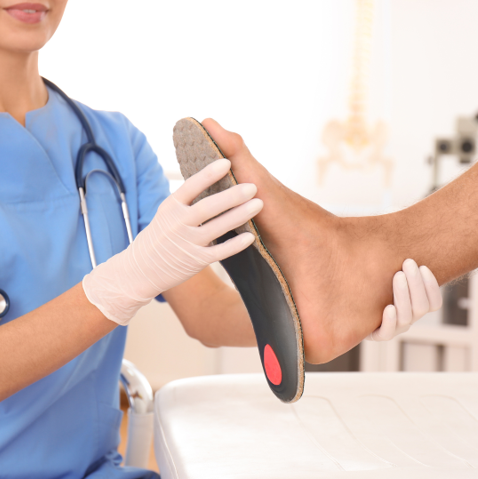
December is the season of giving, and there’s no better gift than comfort. If you’re looking for something meaningful, helpful, and long-lasting, custom orthotics are a great choice. They support the feet, improve balance, and make everyday activities easier and more comfortable. Why Orthotics Make a Great Gift Many people struggle with foot pain, tired feet, or discomfort when walking or standing. Custom orthotics can help by: Reducing foot, heel, and arch pain Providing better alignment and support Improving comfort during work, exercise, and daily routines Helping prevent future foot problems They are a thoughtful gift for anyone—especially those who stay on their feet all day, enjoy being active, or dealing with ongoing foot issues. How Our Team Can Help Our podiatry team offers: Custom Orthotic Fittings tailored to your foot shape and needs Foot Evaluations to identify pain points and pressure areas Supportive Shoe Recommendations for everyday comfort Ongoing Care for long-term foot health Give Comfort This Christmas If you’re searching for a gift that truly helps someone feel better, custom orthotics are a smart and meaningful choice. Contact our office to schedule an appointment or learn more about how orthotics can bring comfort all year long.

Show More